

Scientific Overview
The Theory & Data Analysis team is the core "hub" team in SCENE's hub-and-spokes model, formed by merging the former Theory and Data Science teams. Its mission is twofold: to develop the mathematical and computational framework that unifies ecological neuroscience across species, tasks, and brain areas, and to handle, interpret, and openly share the large-scale, multi-modal datasets produced across SCENE's experimental spokes.
SCENE's theoretical approach is grounded in Partially Observable Markov Decision Processes (POMDPs) — the natural language to mathematically formalise the closed loop between sensory observations, subjective beliefs implemented via neural dynamics, actions, and the environment. In this framework, animals use their observations to guide a sequence of decisions or actions to maximise their total expected value, even when the current world state must be inferred from partial observations.
The team is formalising SCENE's three overarching hypotheses into the language of POMDPs:
- H0 — Encode all causal latent variables: Internal models support flexible prediction, generalisation, and decision-making, creating action- and value-agnostic representations.
- H1 — Encode controllable latent variables (affordances): Brains may prioritise representing the opportunities for action that the environment provides, generalising Gibson's categorical "affordance" into a continuous measure of "controllability."
- H2 — Encode reward-predictive variables: Organisms form direct connections between stimuli, actions, and rewards without necessarily constructing an internal model of the world.
These hypotheses are not mutually exclusive — they represent orthogonal axes in the space of all possible internal representations.
On the data side, the team develops robust pipelines for data processing, analysis, and visualisation, enabling all experimental teams to work with standardised tools and reproducible methods. This includes machine learning approaches for pose estimation (building on tools such as DeepLabCut), dimensionality reduction, and inferring latent neural dynamics from sparse spiking observations. A core objective is building cloud-based storage solutions for seamless data sharing and standardised frameworks to ensure reproducibility across studies and laboratories.
Key Questions
- What principles dictate how H0-like, H1-like, and H2-like a state representation and algorithm will be, given an organism's ecology, computational challenges, and bodily constraints?
- How does splitting world-states and belief-states into controllable and uncontrollable components impact an agent's ability to perform a given task?
- Can we derive, for a given neural architecture, the optimal balance between optimising for information (H0), reward (H2), or empowerment (H1)?
- How do different brain areas occupy different positions along the H0, H1, and H2 axes?
- How can we build unified data pipelines that handle multi-species, multi-modality neural and behavioural recordings?
- What machine learning approaches best capture the latent dynamics underlying ecological behaviour?
- How do we standardise data formats and analysis tools to ensure reproducibility across laboratories and species?
Team Members
Xaq Pitkow
Carnegie Mellon University
Team Leader
Tesca Fitzgerald
Yale University
Máté Lengyel
University of Cambridge and Central European University
Alexander Mathis
EPFL

Constantin Rothkopf
Technical University of Darmstadt
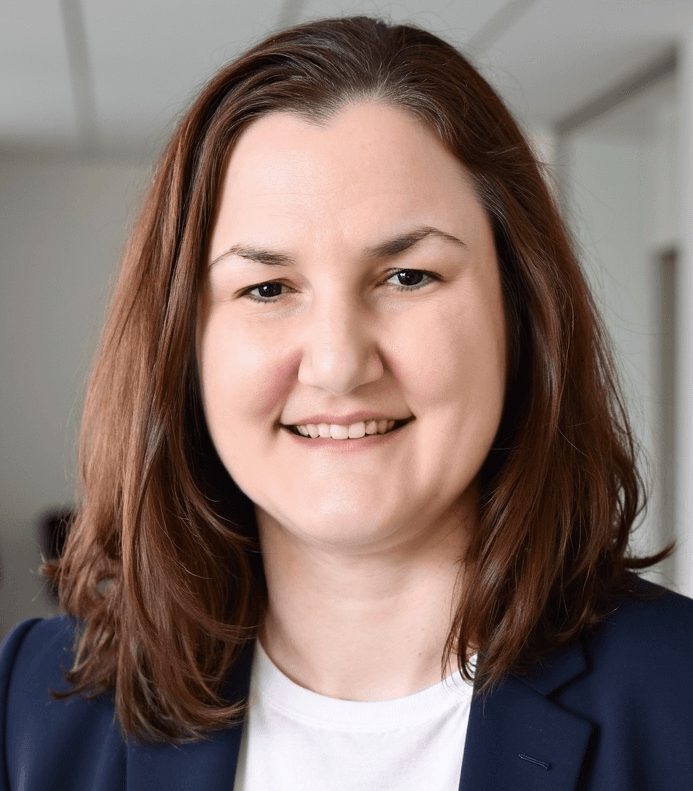
Cristina Savin
New York University
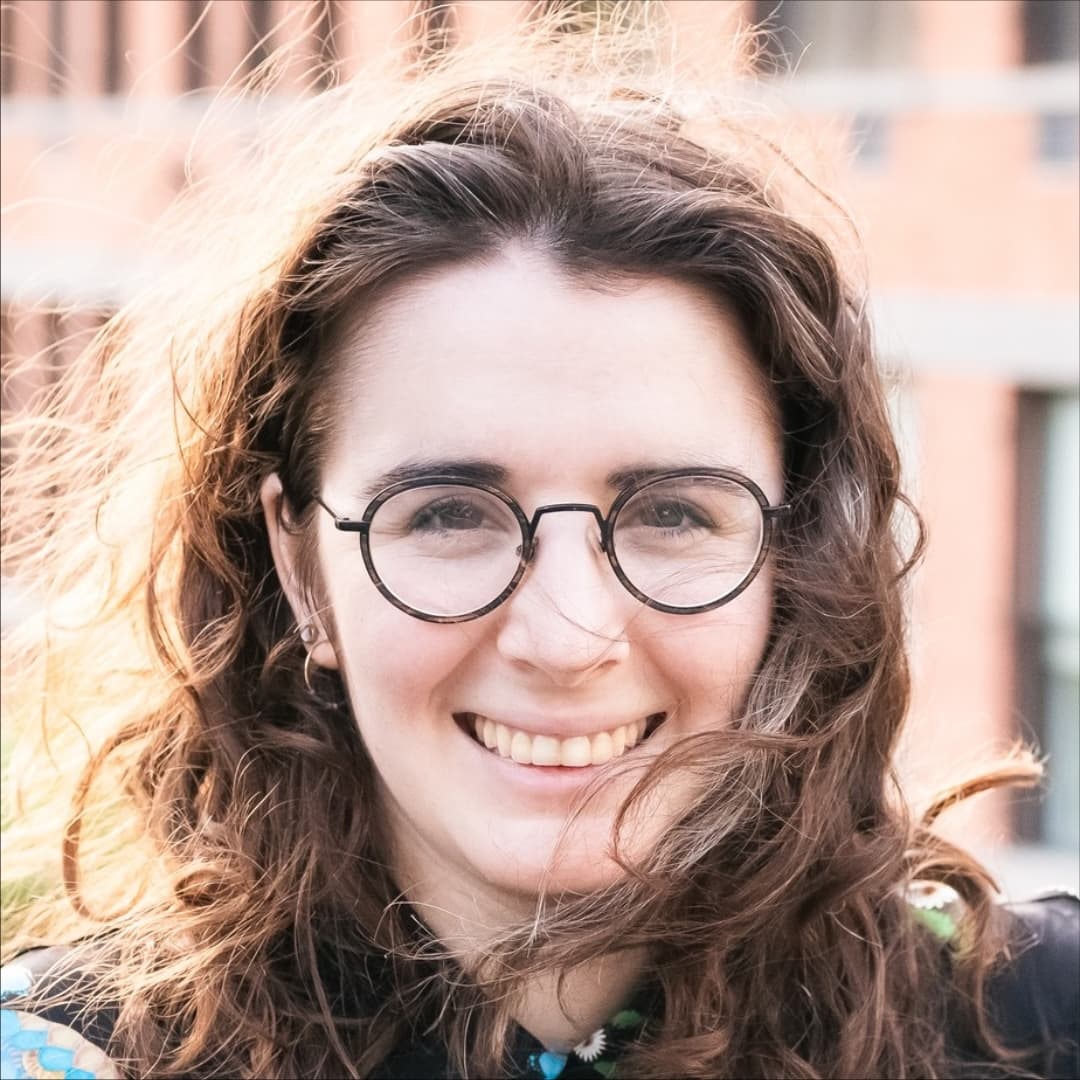
Kimberly Stachenfeld
Columbia University and Google DeepMind
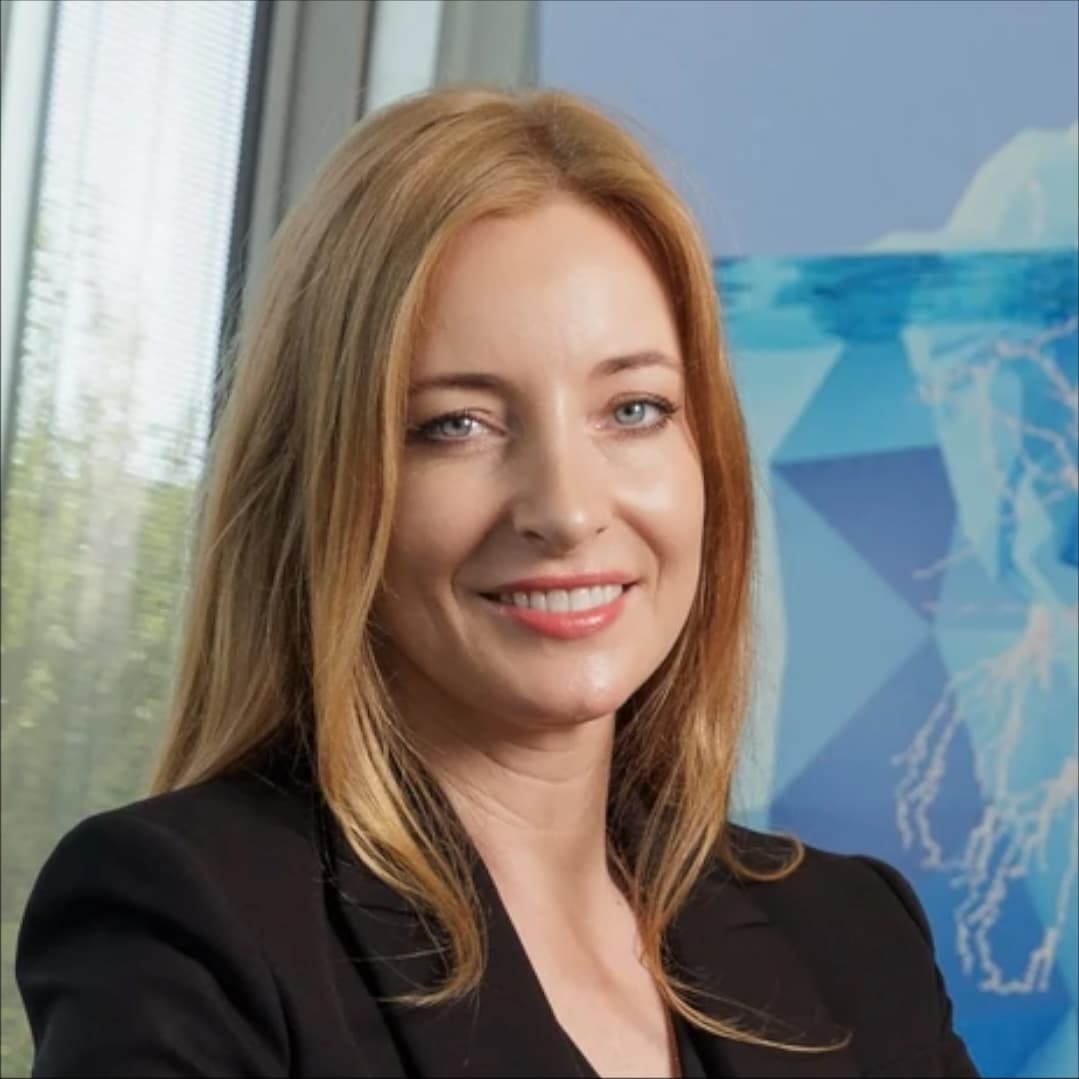
Mackenzie Weygandt Mathis
EPFL

Alex Wong
Yale University
Researchers
21
Celia Benquet
PhD Student
EPFL

Johanni Brea
Postdoc
EPFL
Antonio Maria Grassi
PhD Student
University of Cambridge
Michal Grudzien
PhD Student
EPFL
Ishan Kalburge
PhD Student
University of Cambridge
Reece Keller
PhD Student
Carnegie Mellon University
Dante Kienigiel
PhD Student
Carnegie Mellon University
Daniel Kornai
PhD Student
University of Cambridge
Tamás Kovács
Postdoc
Central European University
Jordan Lei
Postdoc
New York University

Claire Li
PhD Student
Carnegie Mellon University
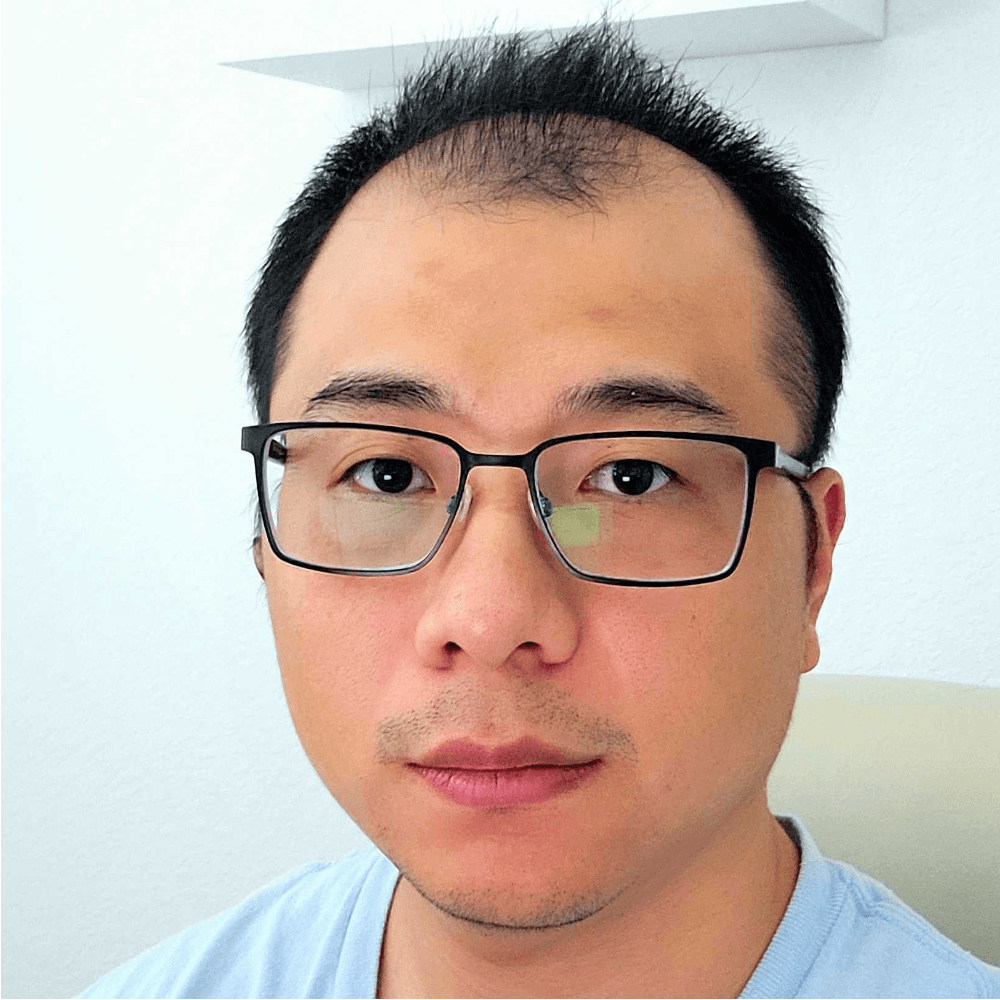
Zhe Li
Research Assistant
Carnegie Mellon University
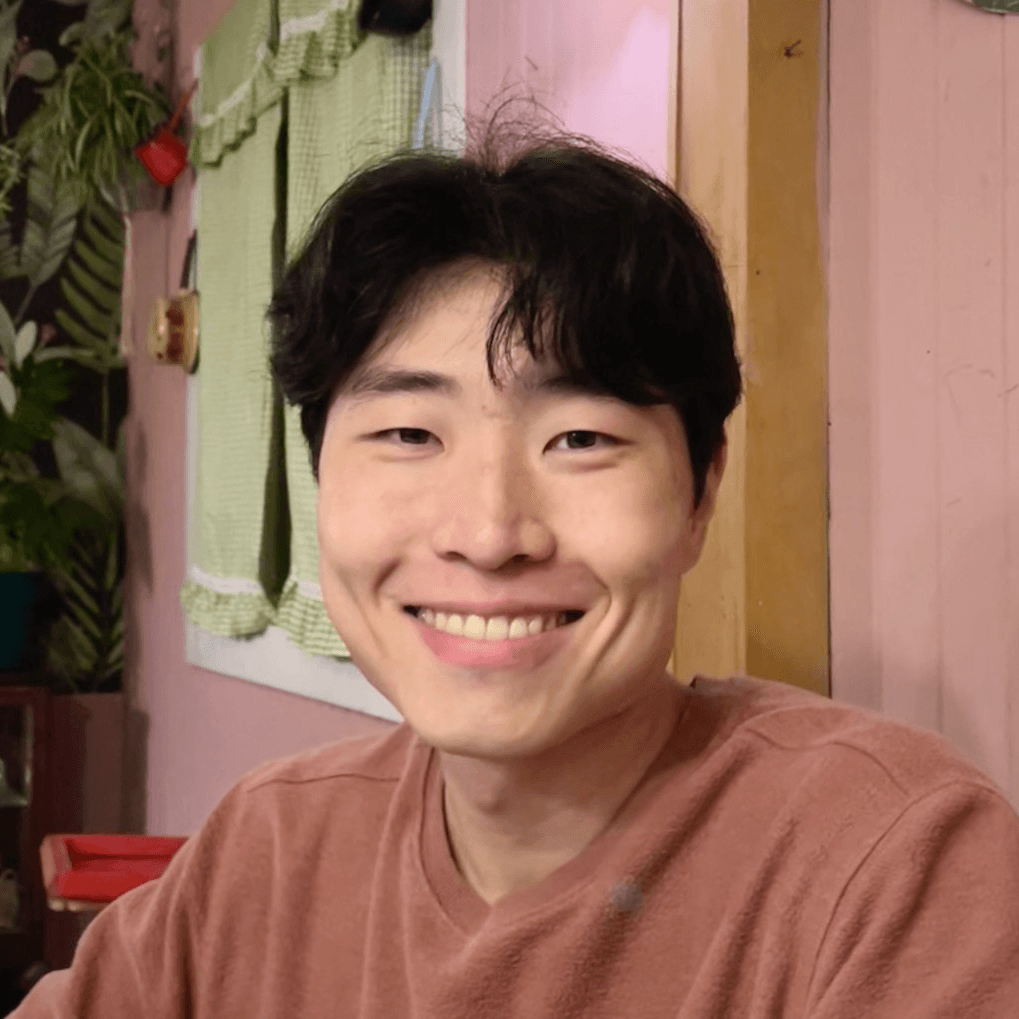
Ben Lyo
Postdoc
New York University
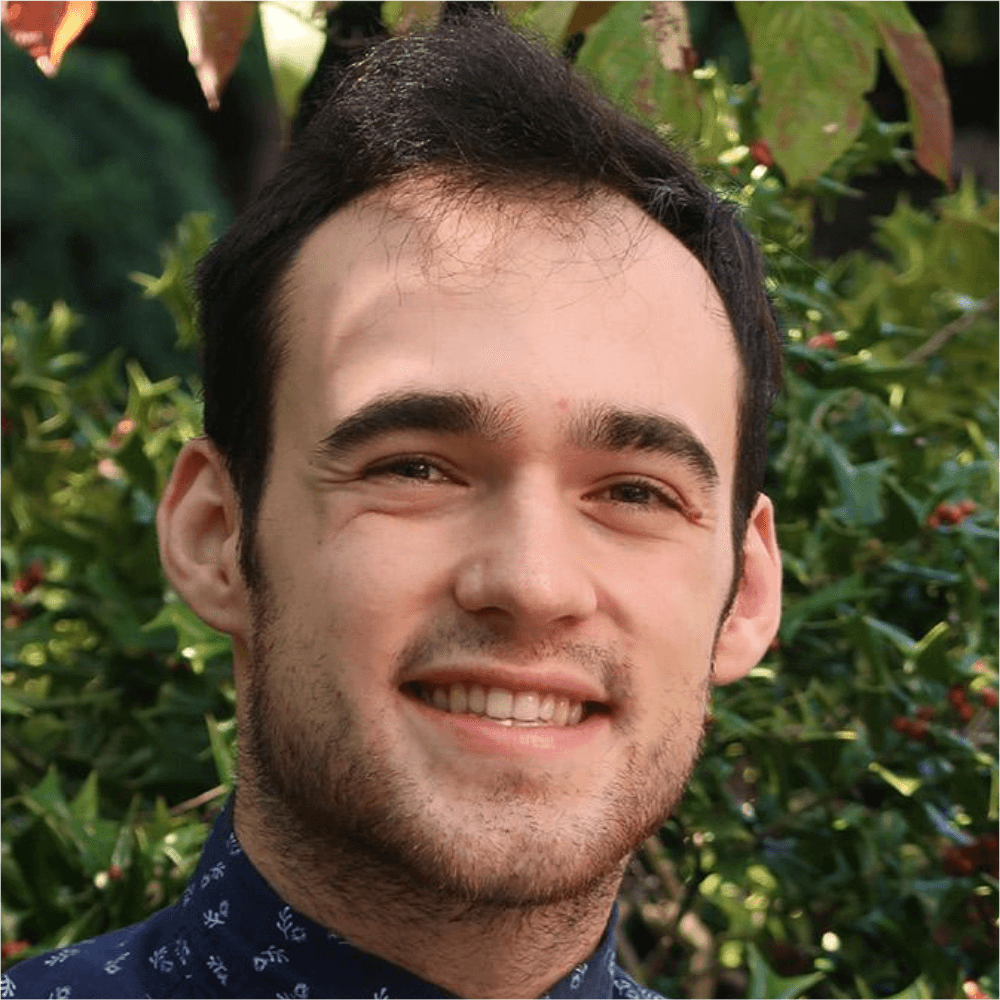
Miles Martinez
Postdoc
New York University
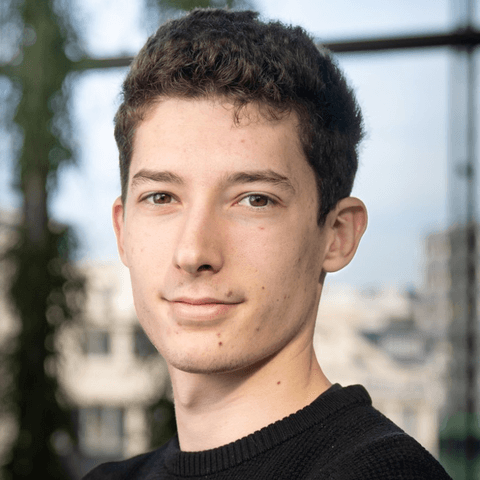
Hugo May
PhD Student
EPFL

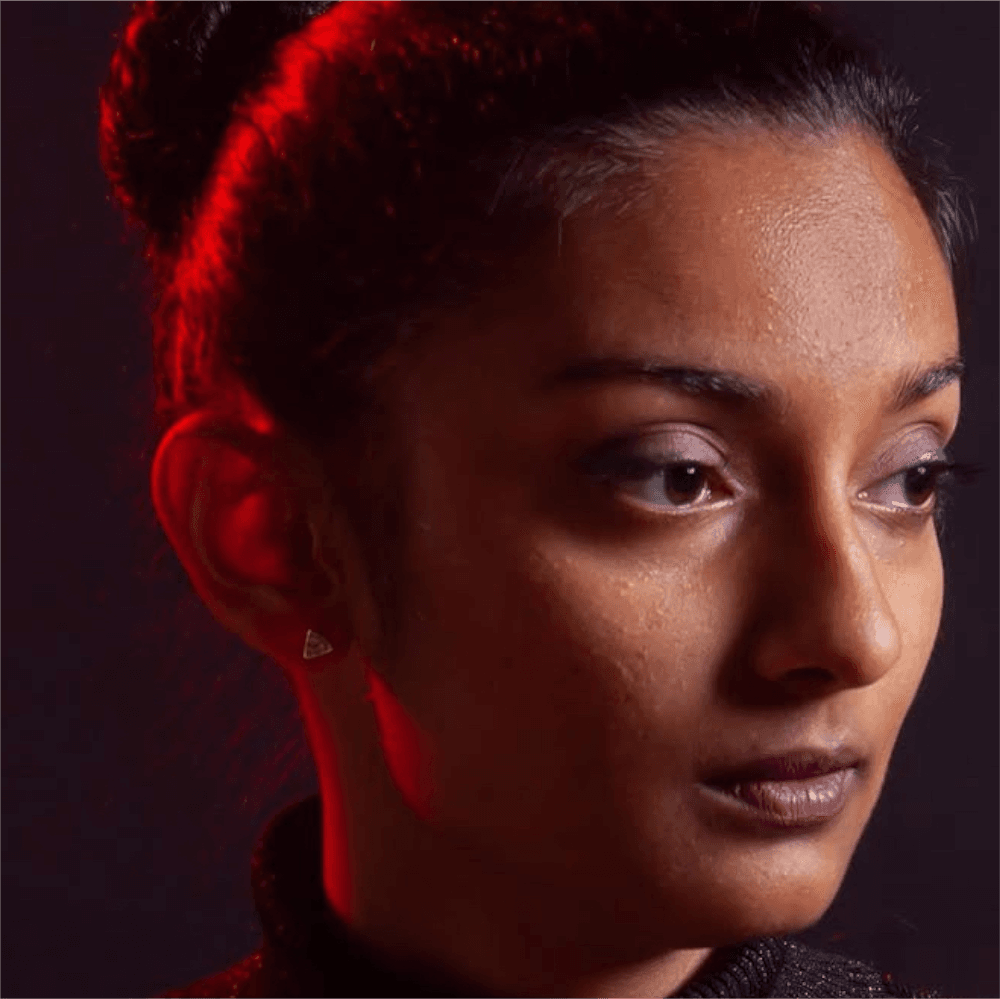
Noushin Naowar Quazi
PhD Student
Carnegie Mellon University
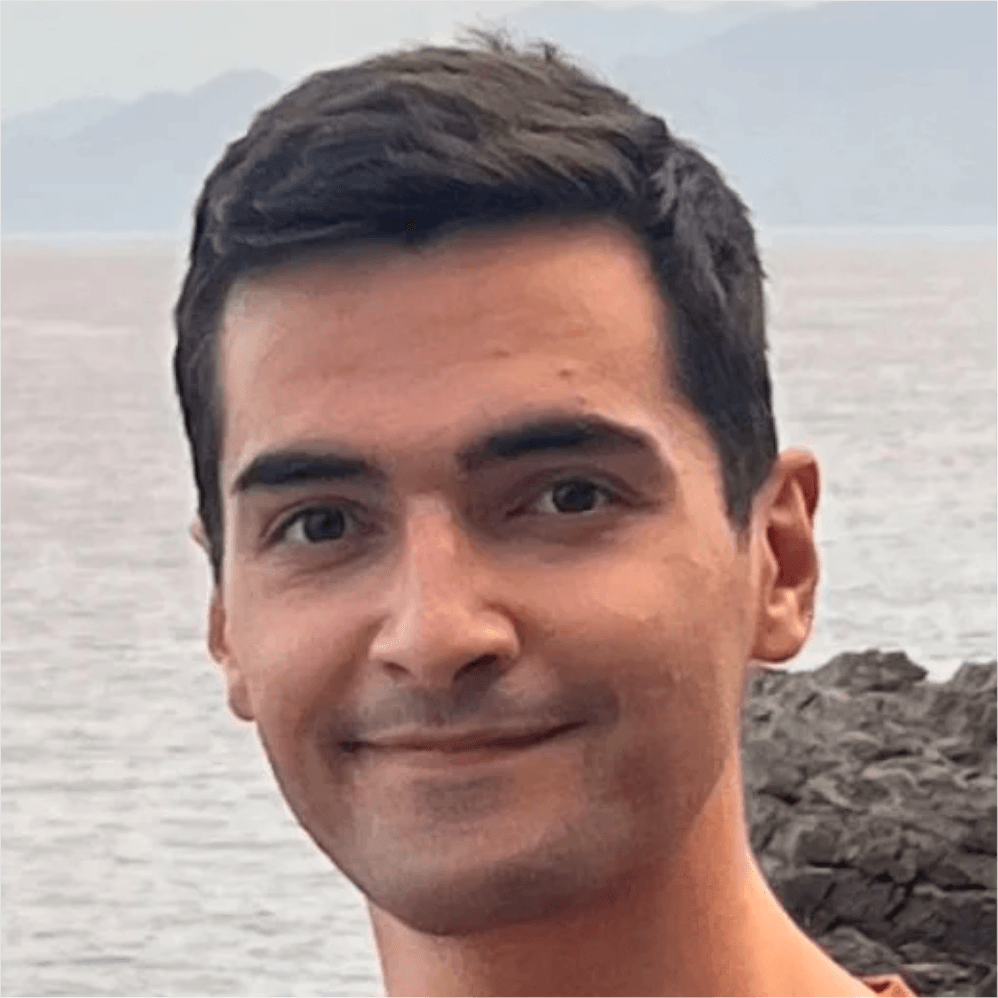
Merkourios Simos
PhD Student
EPFL
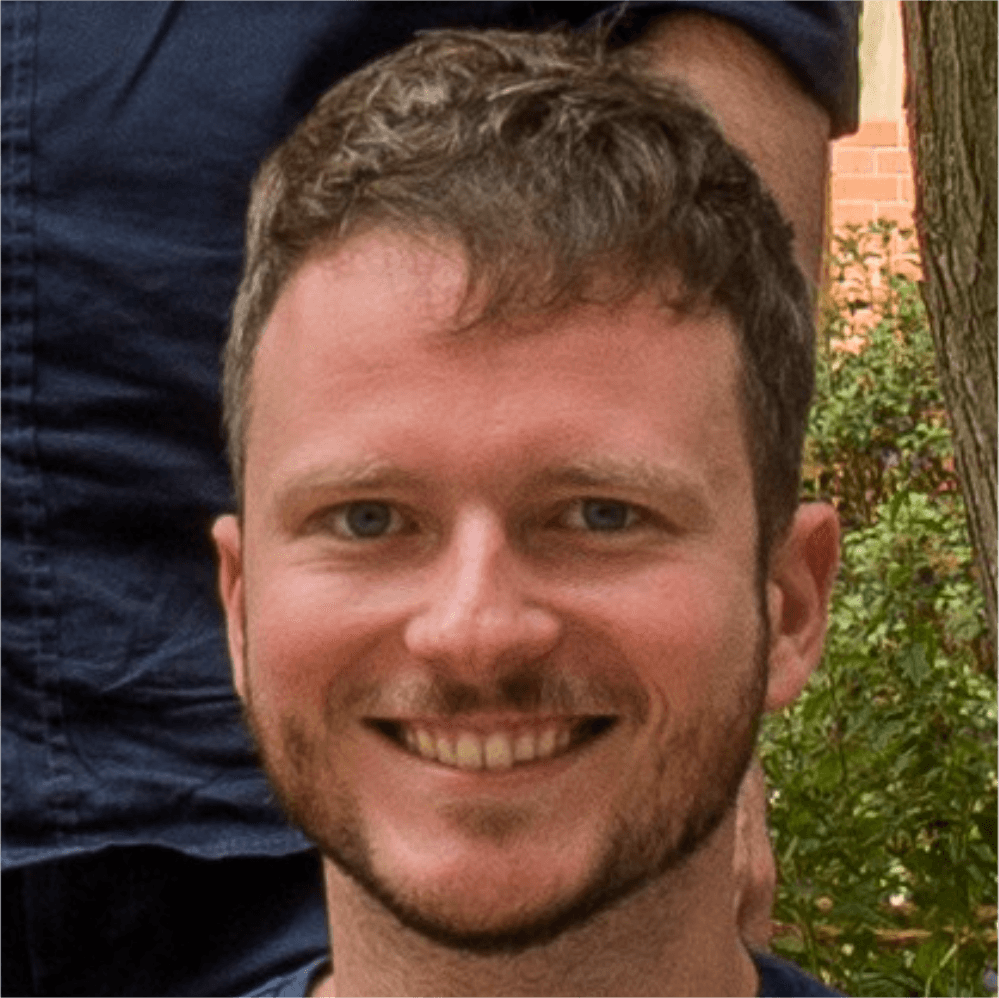
Dominik Straub
Postdoc
University of Cambridge
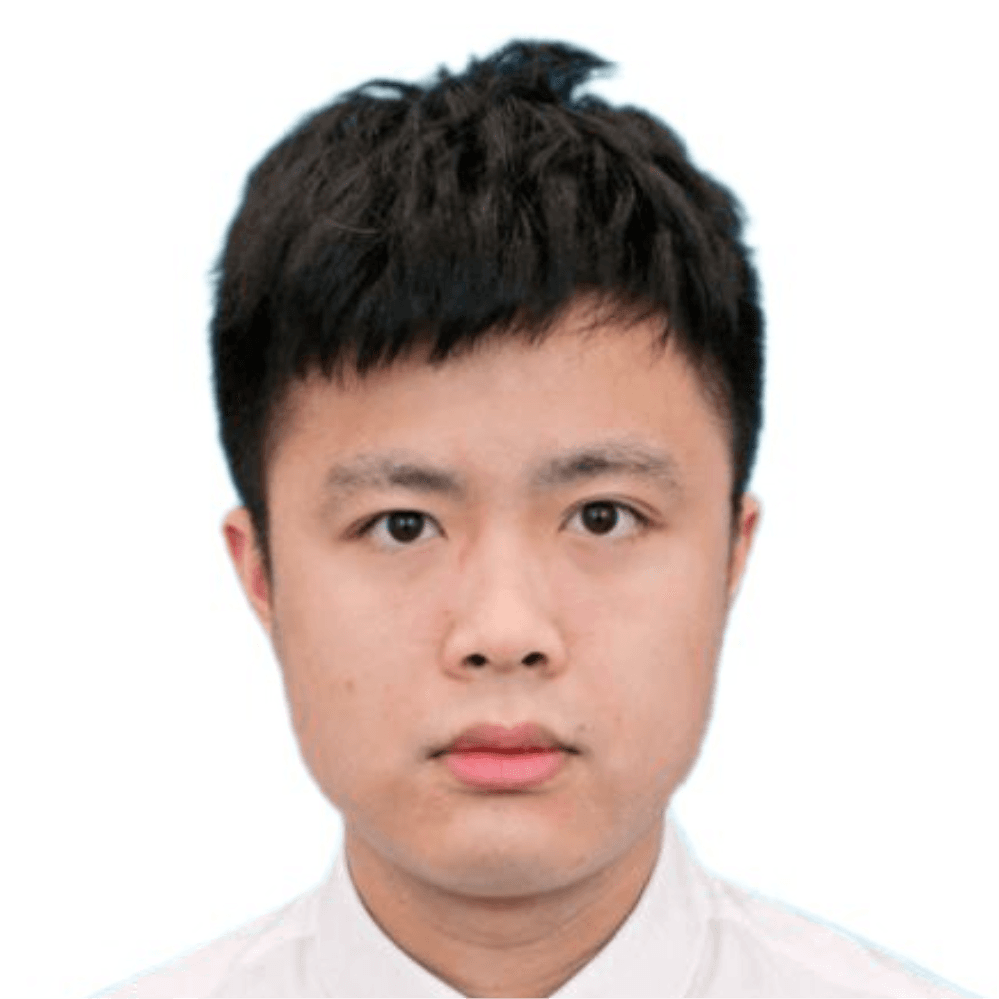
Weifan Wang
PhD Student
Carnegie Mellon University
Changmin Yu
Postdoc
University of Cambridge
Ruiyi Zhang
Postdoc
Carnegie Mellon University
Staff
2
Laetitia Goncalves
Administrator
EPFL
Joy Mann
Administrator
Carnegie Mellon University
Related Publications
The Simons Collaboration on Ecological Neuroscience: Studying how the brain interacts with the world
Angelaki DE (SCENE principal investigator), Batista A (SCENE principal investigator), Fitzgerald T (SCENE principal investigator), Kominsky JF (SCENE principal investigator), Lengyel M (SCENE principal investigator), Mathis A (SCENE principal investigator), Mathis MW (SCENE principal investigator), Moss CF (SCENE principal investigator), Niell CM (SCENE principal investigator), Noel JP (SCENE principal investigator), Pitkow X (SCENE principal investigator), Rothkopf CA (SCENE principal investigator), Savin C (SCENE principal investigator), Stachenfeld K (SCENE principal investigator), Suthana N (SCENE principal investigator), Tolias A (SCENE principal investigator), Ulanovsky N (SCENE principal investigator), Wolpert DM (SCENE principal investigator), Wong A (SCENE principal investigator), Zimmermann J (SCENE principal investigator)
Neuron, 2026 · DOI · Preprint (PDF)
Neural and computational correlates of strategic aborting and long-run policy optimization in the dorsolateral prefrontal cortex
Noel JP (SCENE principal investigator), Zhang R (SCENE researcher), Pitkow X (SCENE principal investigator), Angelaki DE (SCENE principal investigator)
Nature Communications, 2026 · DOI · Preprint (PDF)
The behavior biopsy: Interpreting animal behavior as embodied, situated, and hierarchical
Bonnetto A, Mamooler S, Li C (SCENE researcher), Mathis A (SCENE principal investigator)
Current Opinion in Neurobiology, 2026 · DOI
Leveraging insights from neuroscience to build adaptive artificial intelligence
Mathis MW (SCENE principal investigator)
Nature Neuroscience, 2026 · DOI · Preprint (PDF)
Hierarchical Successor Representation for Robust Transfer
Yu C (SCENE researcher), Lengyel M (SCENE principal investigator)
Proceedings of the 43rd International Conference on Machine Learning (ICML), PMLR 306, 2026 · Publisher · arXiv
Good practices for Bayesian inference in statistical learning
Kovács T (SCENE researcher), Lengyel M (SCENE principal investigator)
Current Opinion in Neurobiology, 2026 · DOI
Curriculum effects in multitask learning through the lens of contextual inference
Shivkumar S, Lengyel M (SCENE principal investigator), Wolpert DM (SCENE principal investigator)
Current Opinion in Neurobiology, 2025 · DOI
Related News
No related posts yet. Blog posts tagged with “theory” will appear here automatically.