

Scientific Overview
The Non-Human Primate team studies how primates — the most cognitive of animals — perceive and act in ecologically valid settings. Non-human primates rely heavily on eye-movements to actively sample their environment, providing a powerful model for studying how sensing constraints shape state representations.
The team investigates two broad classes of ecological tasks:
- Object manipulation: Challenging freely-moving non-human primates with manipulation tasks that require a long sequence of actions prior to reward. These tasks test sequential decision-making, credit assignment, and affordance identification in a species with dexterous hands and sophisticated visual systems.
- Virtual reality environments: Using immersive VR to introduce entirely novel objects with novel affordances — potentially even violating the laws of physics — to study how primates discover and represent new action possibilities.
A key motivation for studying non-human primates is the question of why place and grid cells, thought to support cognitive maps and flexible behaviour, appear absent — at least in their canonical form — in primates. SCENE's ecological framework provides a principled way to investigate whether primates rely on different representational strategies than rodents.
Key Questions
- How do non-human primates identify and represent affordances during object manipulation requiring long action sequences?
- Why do canonical spatial representations (place cells, grid cells) appear different in primates compared to rodents, and what ecological factors explain this?
- How do primates discover and encode novel affordances for objects they have never encountered before?
- How do eye-movement strategies interact with hand actions during ecological manipulation tasks?
Team Members
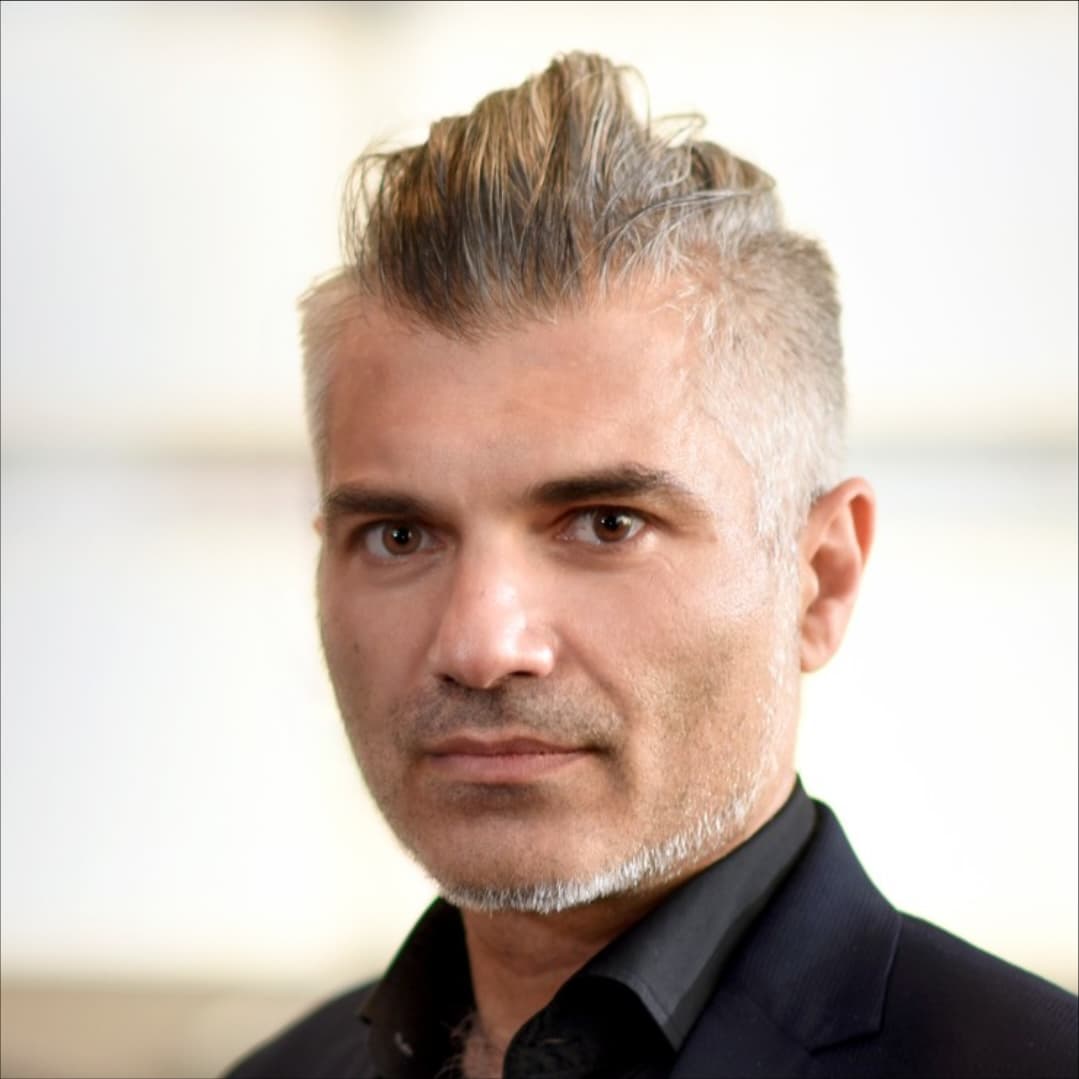
Andreas Tolias
Stanford University
Team Leader
Dora Angelaki
New York University
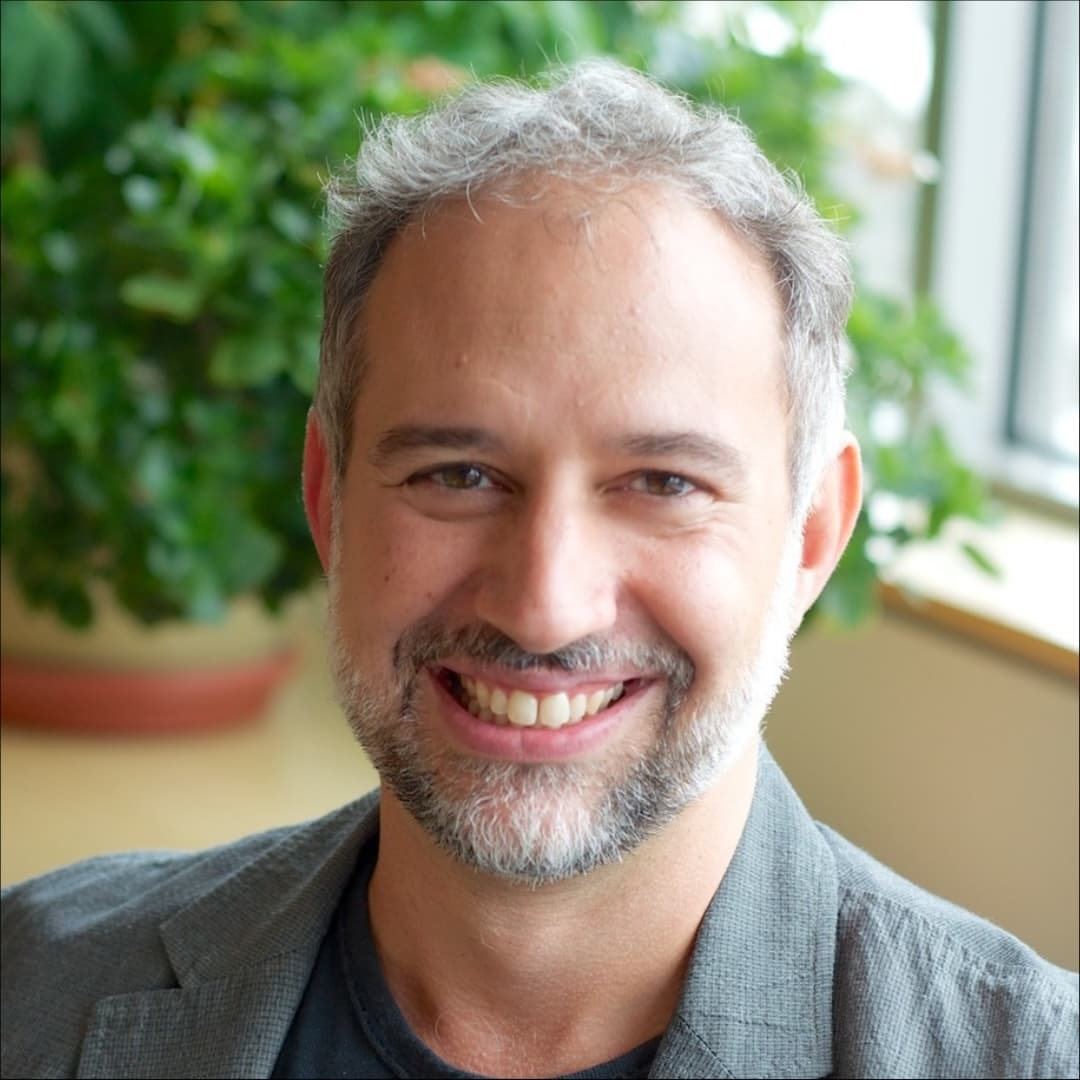
Aaron Batista
University of Pittsburgh

Kimberly Stachenfeld
Columbia University and Google DeepMind

Jan Zimmermann
University of Minnesota
Researchers
8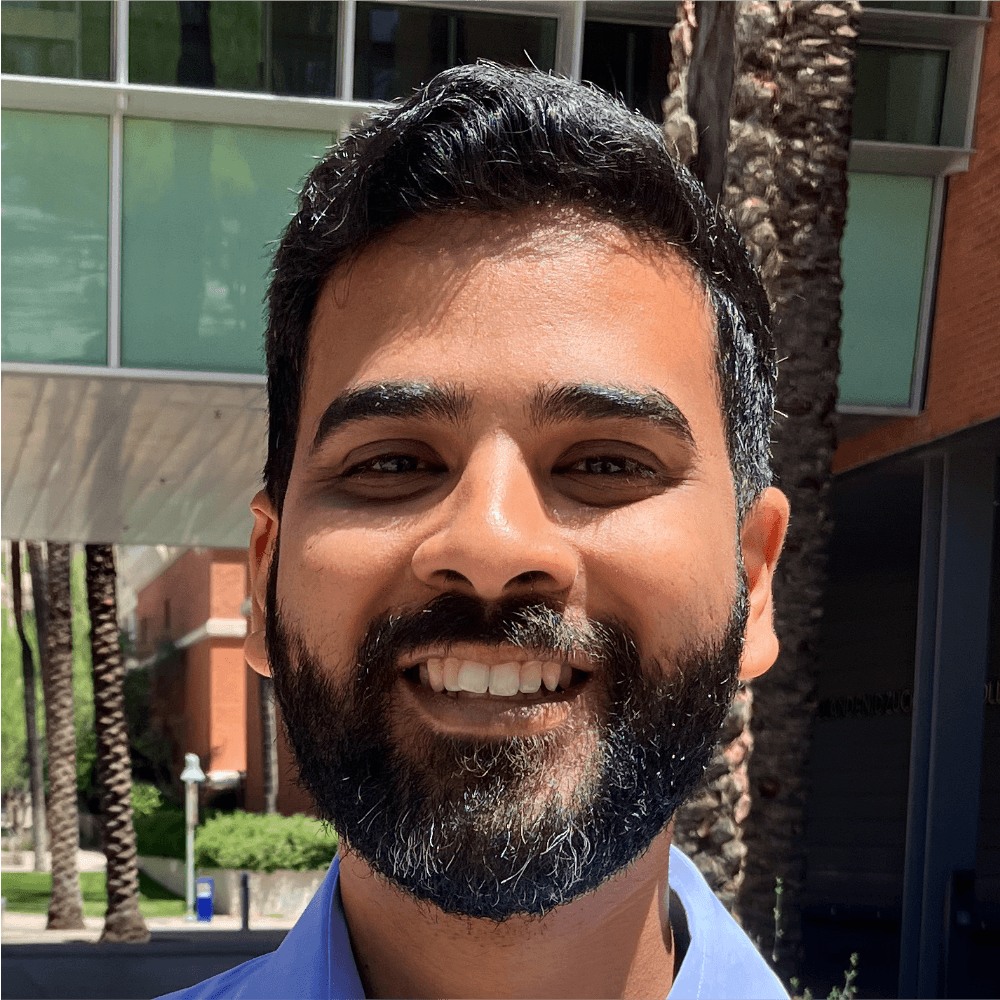
Tapas Arakeri
Postdoc
University of Pittsburgh

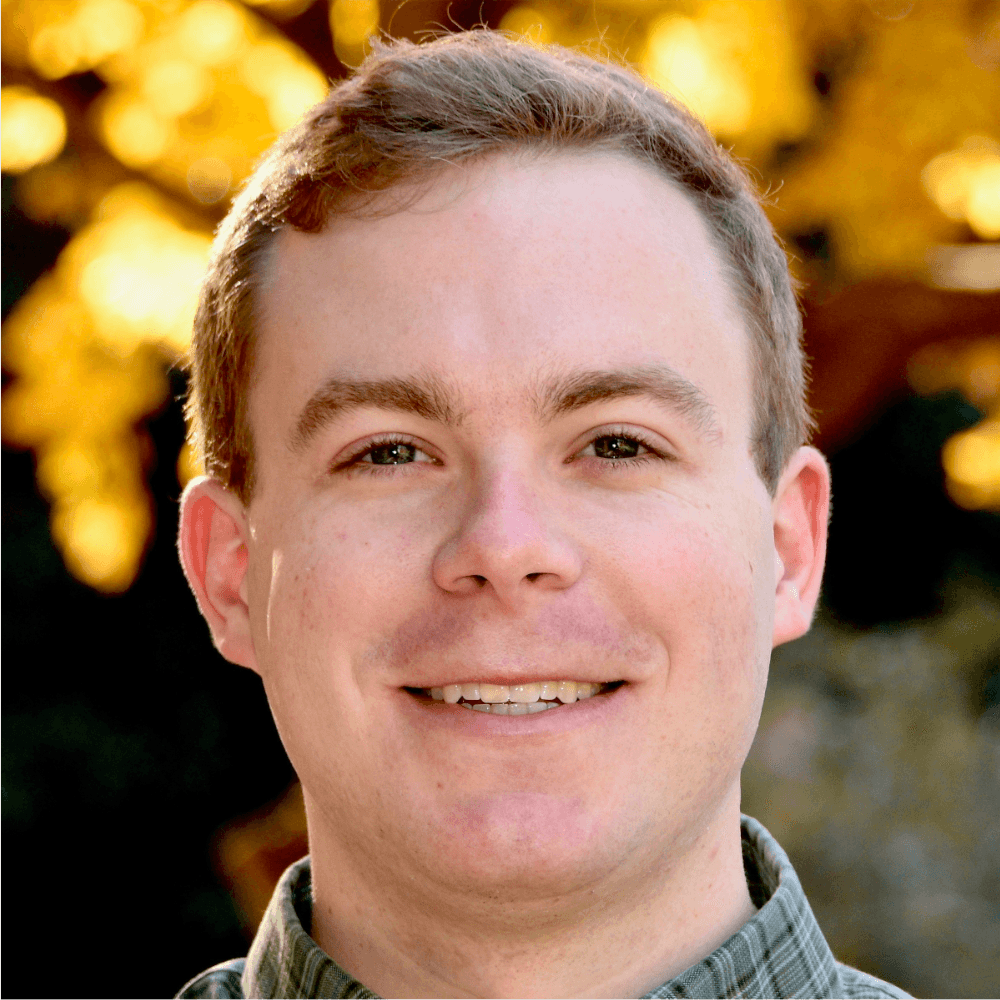
Jacob Elsey
Postdoc
University of Minnesota

Tait Erickson
PhD Student
University of Minnesota

Michael Hochstein
PhD Student
University of Minnesota

Seong-Hwan Hwang
Postdoc
University of Pittsburgh
Dan O'Shea
Senior Research Engineer
Stanford University
Mahdi Ramadan
Postdoc
Stanford University
Ivan Smalianchuk
Postdoc
University of Pittsburgh
Staff
4
Gabriella Garcia
Lab Tech
Stanford University
Camilla Lopez
Lab Director
Stanford University
Cate Neally
Lab Manager
Stanford University

Almaz Webneh
Administrator
University of Pittsburgh
Related Publications
The Simons Collaboration on Ecological Neuroscience: Studying how the brain interacts with the world
Angelaki DE (SCENE principal investigator), Batista A (SCENE principal investigator), Fitzgerald T (SCENE principal investigator), Kominsky JF (SCENE principal investigator), Lengyel M (SCENE principal investigator), Mathis A (SCENE principal investigator), Mathis MW (SCENE principal investigator), Moss CF (SCENE principal investigator), Niell CM (SCENE principal investigator), Noel JP (SCENE principal investigator), Pitkow X (SCENE principal investigator), Rothkopf CA (SCENE principal investigator), Savin C (SCENE principal investigator), Stachenfeld K (SCENE principal investigator), Suthana N (SCENE principal investigator), Tolias A (SCENE principal investigator), Ulanovsky N (SCENE principal investigator), Wolpert DM (SCENE principal investigator), Wong A (SCENE principal investigator), Zimmermann J (SCENE principal investigator)
Neuron, 2026 · DOI · Preprint (PDF)
Neural and computational correlates of strategic aborting and long-run policy optimization in the dorsolateral prefrontal cortex
Noel JP (SCENE principal investigator), Zhang R (SCENE researcher), Pitkow X (SCENE principal investigator), Angelaki DE (SCENE principal investigator)
Nature Communications, 2026 · DOI · Preprint (PDF)
From peripersonal space to cognitive maps: An evolutionary perspective
Anjum S, Sosa MJ, Serino A, Noel JP (SCENE principal investigator)
Progress in Neurobiology, 2026 · DOI
Related News
No related posts yet. Blog posts tagged with “NHP” will appear here automatically.