

Scientific Overview
The Mouse team investigates how rodents navigate and interact with their environment, leveraging the mouse's well-characterised neural circuits and the powerful genetic and imaging tools available for this species. Mice sense the world through whisking, olfaction, and vision, providing a unique window into how sensory and motor constraints shape neural state representations.
The team studies two broad classes of ecological tasks:
- Navigation: Examining navigation-to-target in real and virtual environments, while manipulating the availability of different paths, action costs, rewards, and sensory uncertainty. These tasks are designed to engage the animal in sequential decision-making under partial observability.
- Object manipulation: Presenting objects that may or may not be moved or changed by the mouse's actions, testing how the brain identifies and encodes affordances — the controllable aspects of the environment.
Over time, the team will examine interacting and hierarchical affordances, where manipulation gates navigation (e.g., moving an obstacle to open a new path) or navigation gates manipulation (e.g., reaching a location to access an object).
Key Questions
- How do mice accumulate evidence and identify affordances during navigation in partially observable environments?
- How do neural representations change when the availability of different paths, action costs, or rewards is manipulated?
- How does the mouse brain distinguish between controllable and uncontrollable aspects of its environment?
- How do sensory constraints (whisking, olfaction, vision) shape the neural state representations that guide ecological behaviour?
Team Members
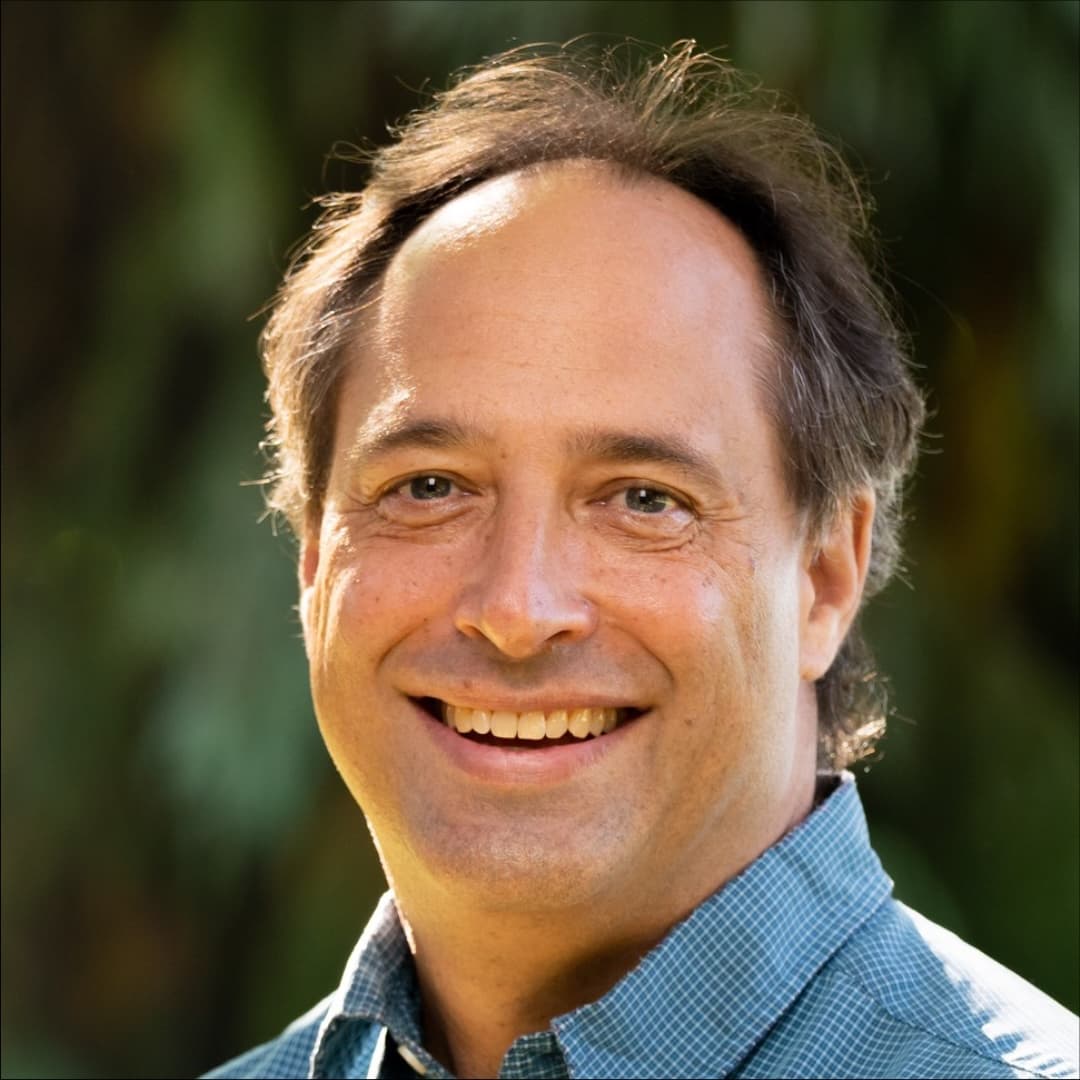
Cris Niell
University of Oregon
Team Leader
Dora Angelaki
New York University

Jean-Paul Noel
University of Minnesota
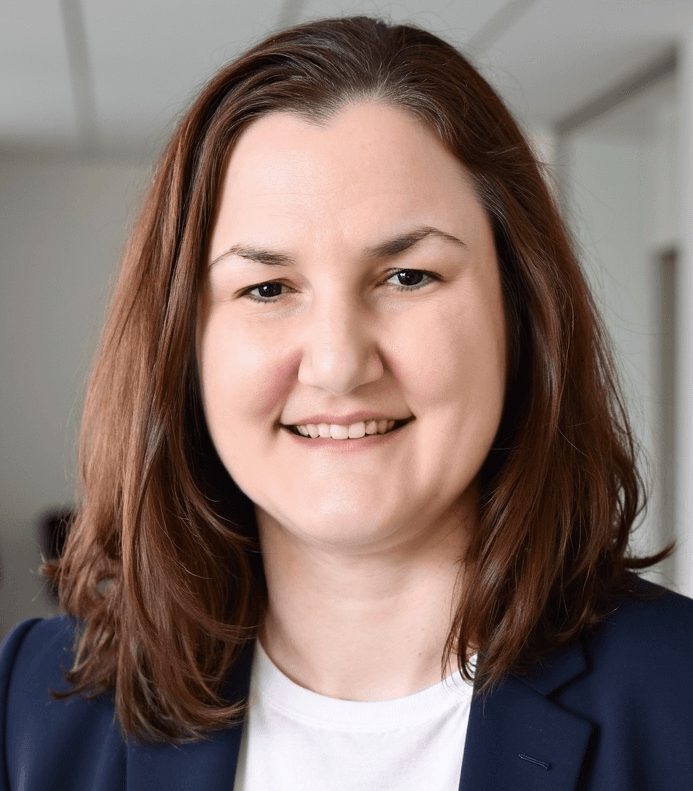
Cristina Savin
New York University
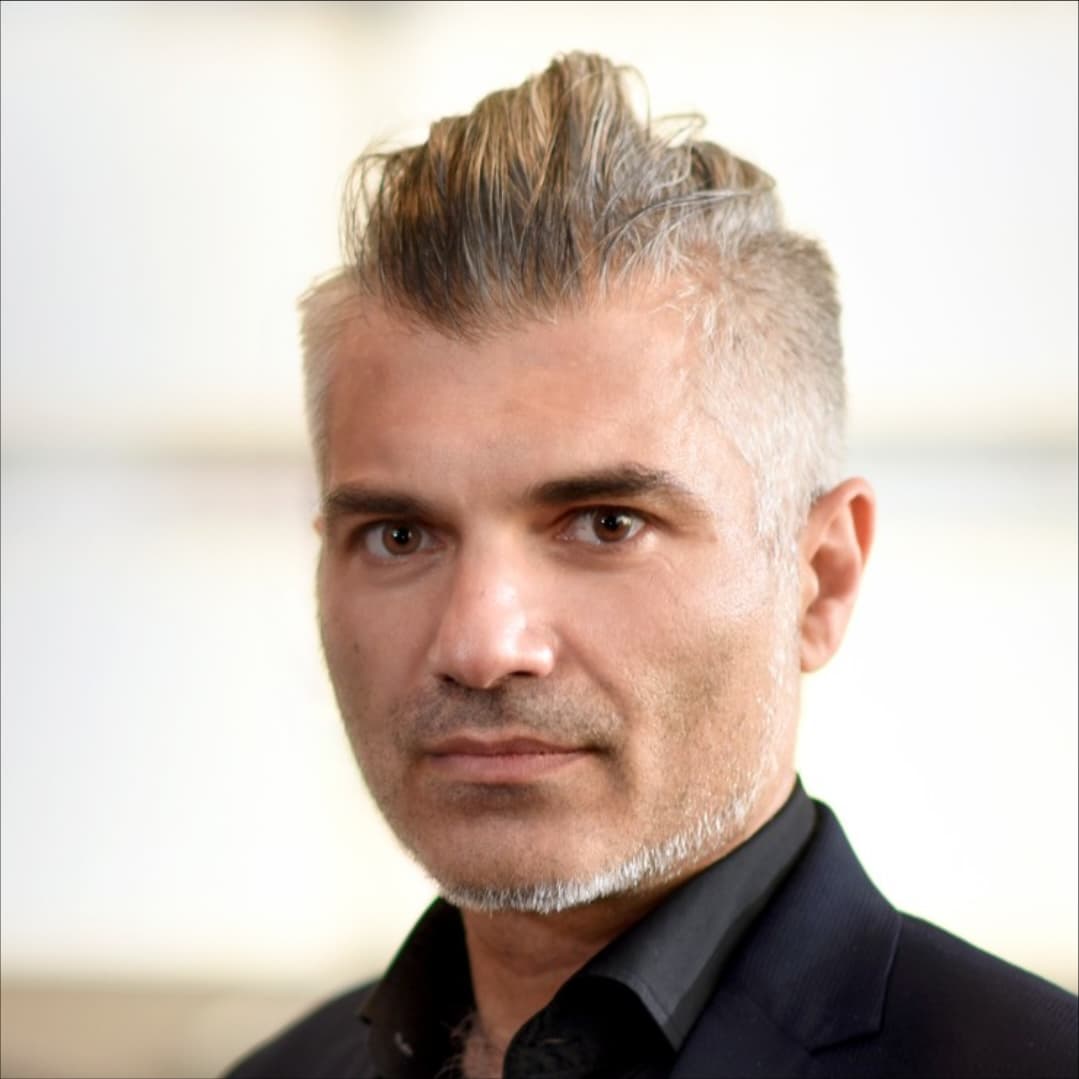
Andreas Tolias
Stanford University
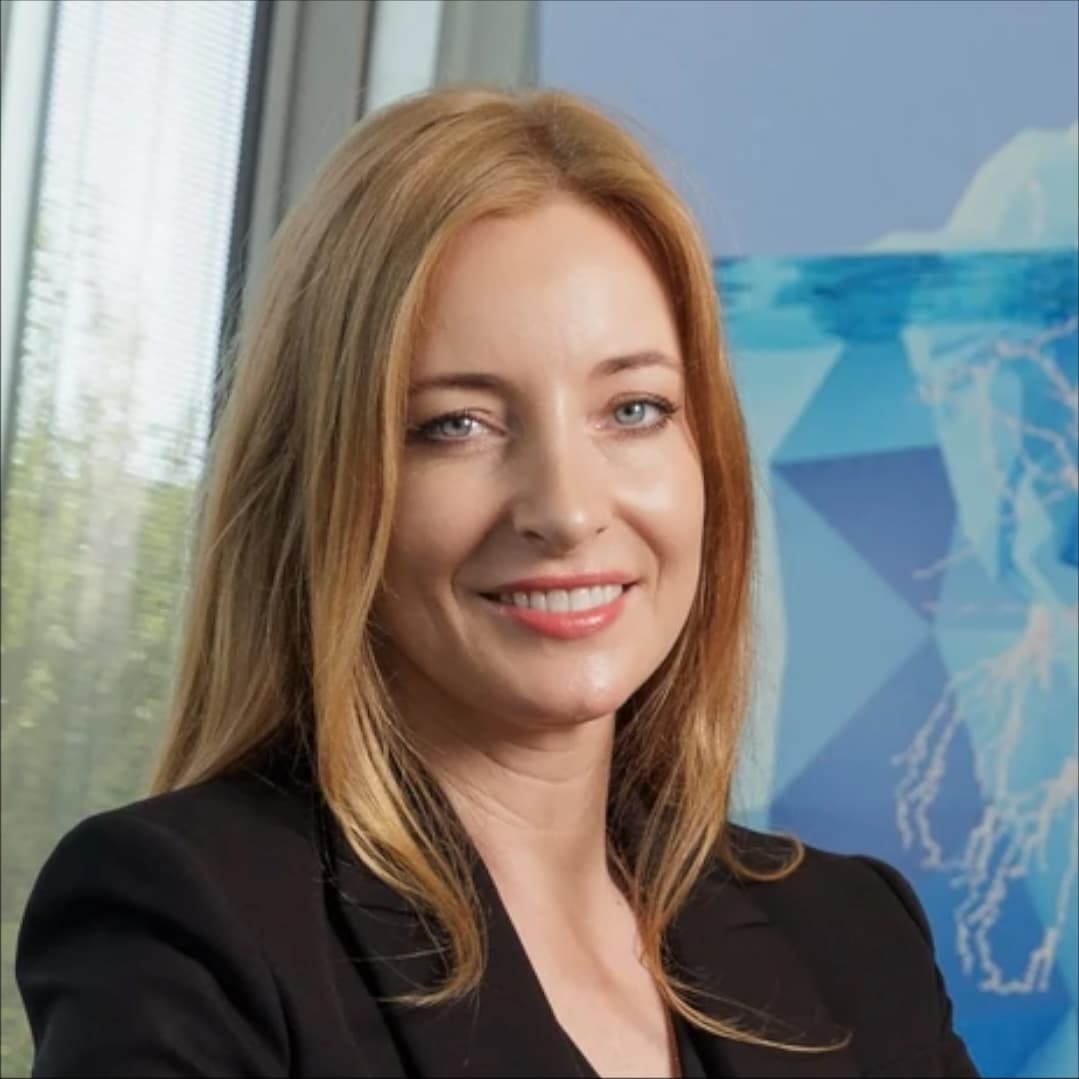
Mackenzie Weygandt Mathis
EPFL
Researchers
10
Chris Fields
PhD student
University of Oregon


Alexander Lai
Postdoc
University of Minnesota

Yang Lin
Postdoc
Stanford University

Shizhao Liu
Postdoc
University of Minnesota

Lukas Maninger
PhD Student
TU Darmstadt

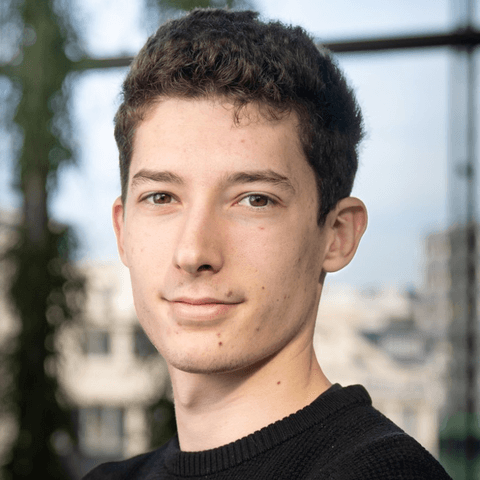
Hugo May
PhD Student
EPFL


Kayla Ponder
PhD Student
Stanford University

Artur Schneider
Postdoc
EPFL

Jhoseph Shin
Postdoc
University of Oregon

Rolf Skyberg
Postdoc
University of Oregon
Staff
1
Lydia Ntanavara
Lab Tech
Stanford University
Related Publications
The Simons Collaboration on Ecological Neuroscience: Studying how the brain interacts with the world
Angelaki DE (SCENE principal investigator), Batista A (SCENE principal investigator), Fitzgerald T (SCENE principal investigator), Kominsky JF (SCENE principal investigator), Lengyel M (SCENE principal investigator), Mathis A (SCENE principal investigator), Mathis MW (SCENE principal investigator), Moss CF (SCENE principal investigator), Niell CM (SCENE principal investigator), Noel JP (SCENE principal investigator), Pitkow X (SCENE principal investigator), Rothkopf CA (SCENE principal investigator), Savin C (SCENE principal investigator), Stachenfeld K (SCENE principal investigator), Suthana N (SCENE principal investigator), Tolias A (SCENE principal investigator), Ulanovsky N (SCENE principal investigator), Wolpert DM (SCENE principal investigator), Wong A (SCENE principal investigator), Zimmermann J (SCENE principal investigator)
Neuron, 2026 · DOI · Preprint (PDF)
Related News
No related posts yet. Blog posts tagged with “mouse” will appear here automatically.